
What Is Root Binding?
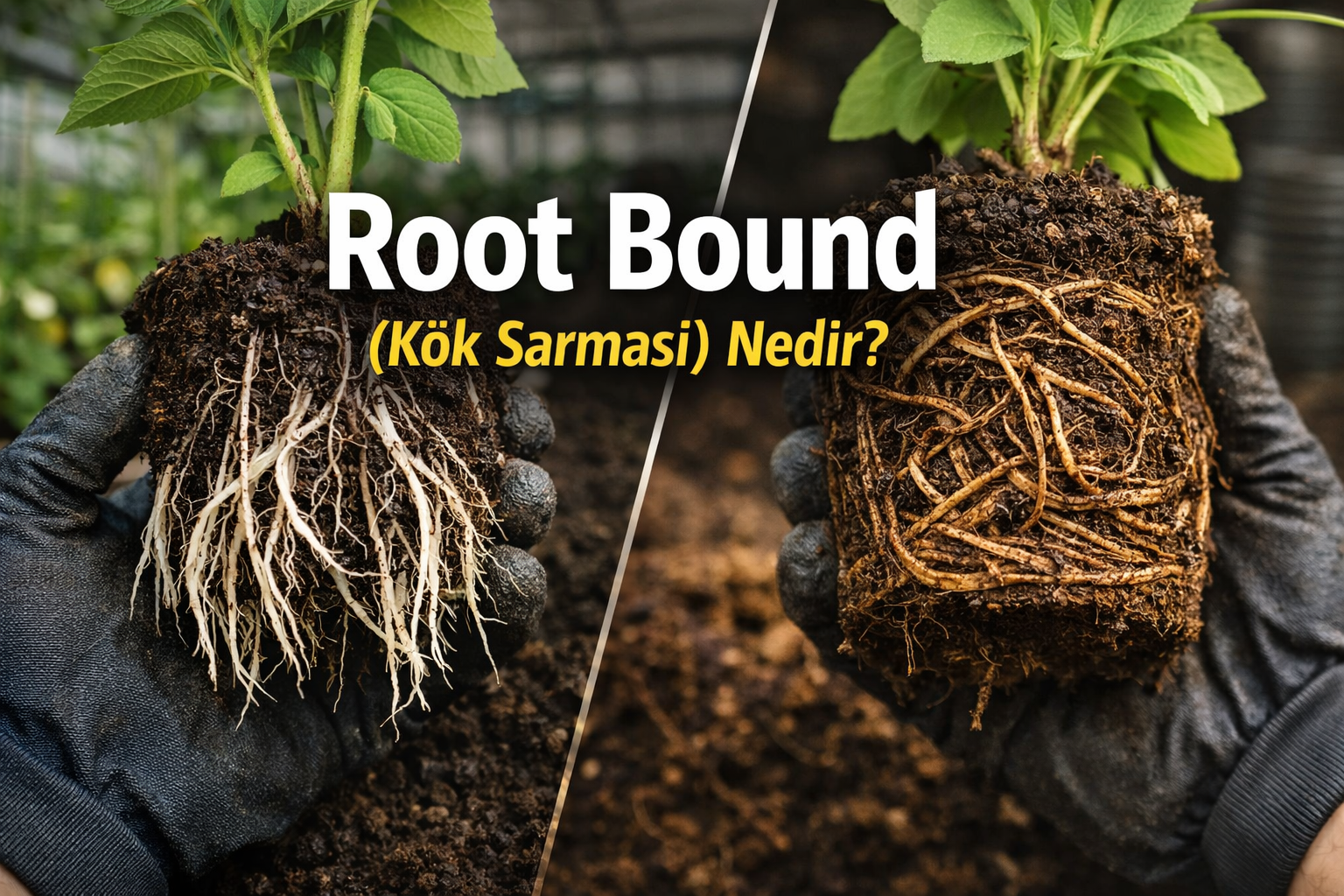
The most critical issue that silently halts plant growth
We take a scientific look at root binding—one of the leading causes of yield loss in commercial production—and explore how this problem can be addressed.
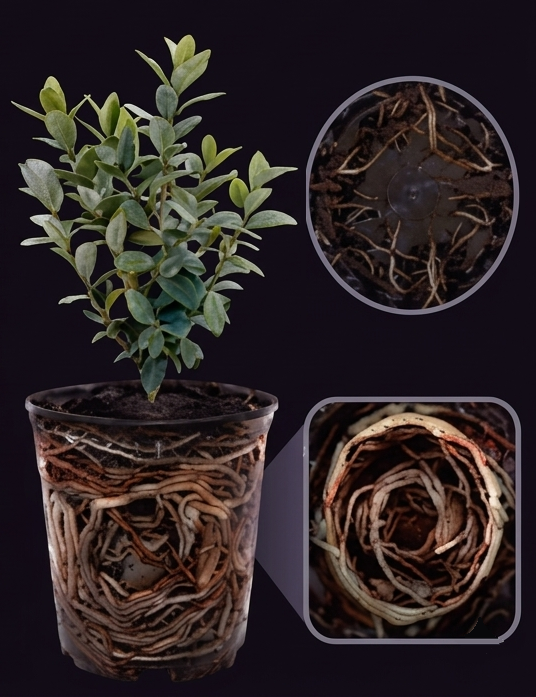
Root-Bound Plants: Structural Constraint
A plant is considered "root-bound" when it has completely filled the volume of its container and the roots have no room left to grow. The roots begin to circle around the inner walls of the pot.
Appearance: The roots have taken on the shape of the pot, forming a dense, matted layer. Thick, woody roots can be seen spiraling around the outer wall.
Strangulation Effect: As roots become tangled and constricted around themselves, they block the inner roots from absorbing water and oxygen. This causes the plant to effectively "strangle" itself.
Water Retention Issue: Because the root mass has outgrown the pot’s capacity, the pot cannot retain water. You’ll notice that the plant dries out quickly, even immediately after watering.
Growth Stagnation: As the plant reaches its physical limit, growth in the upper parts slows down, and the leaves begin to yellow and the fruit starts to drop.
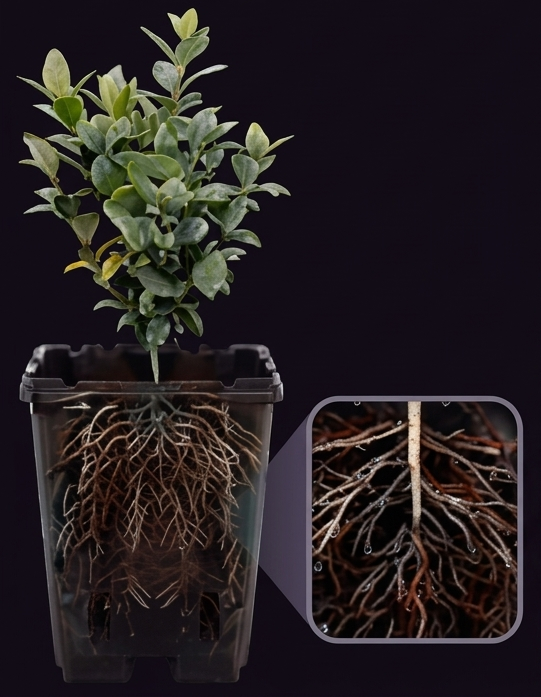
Healthy Roots: The Engine of Yield
A healthy root system is an active network that enables the plant to process nutrients and water most efficiently. In soilless farming in particular, it is vital that these roots remain "active."
Appearance: It is typically white, light cream, or tan in color. White tips indicate that the root is in the growth phase and that the "root hairs" responsible for water uptake are active.
Structure: The roots should be flexible and firm; they should not be soft (rotten) or excessively brittle. They should be evenly distributed throughout the growing medium.
Odor: The soil or growing medium should have a natural, neutral odor. A sour or sulfur-like odor indicates an oxygen-deprived (anaerobic) environment in the root zone and is a sign of root rot.
Achieving high yields in modern agriculture is not limited to irrigation and fertilization alone. True yield increases are directly linked to the healthy development of the root system, which is the plant’s most critical part.
One of the most common yet often overlooked issues with potted plants is root binding.
This problem silently limits the plant's growth and significantly reduces its yield.
What Is Root Binding?
Root binding occurs when plant roots, unable to find enough space inside the pot, twist around themselves and become constricted.
In this case:
The roots cannot grow in their natural direction
A circular shape is formed
New root growth slows down
As a result, the plant is unable to reach its full growth potential.
A plant with a weak root system cannot achieve maximum yield, no matter how well it is nourished.
How Can You Tell If a Plant Is Root-Bound?
When removed from the pot, the roots should completely surround the pot
Irregular root distribution in the soil
Quick drying despite watering
Stagnation
How Can This Problem Be Solved?
Traditional methods offer only temporary solutions.
The real solution lies in systems that guide root development.
Click here for more information about Air Pruning technology
Why Do Professional Growers Use Different Pot Systems?
Next-generation pot systems:
Prevents circular root growth
It creates a denser root system
Accelerates plant growth
Control Root Growth
Use solutions that optimize the root system to achieve maximum yield in commercial production.
Frequently Asked Questions
What is root binding?
It is a condition where a plant’s roots become cramped inside the pot and start to twist around themselves.
How do you treat root-bound plants?
It is treated using root-guiding and air-pruning systems.
Can blueberry plants become root-bound?
Yes, they are affected much more quickly, especially due to their delicate root structure.


